
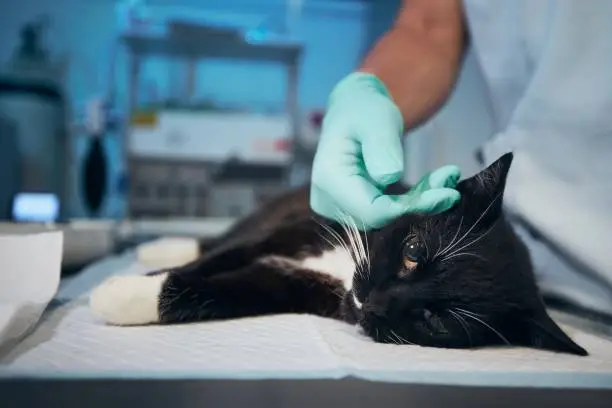

Warning Signs of a Pet Emergency: When Your Pet Needs Immediate Care
Pets cannot tell us when something is seriously wrong, and they often hide pain until they can no longer cope. That is why recognizing pet emergency signs is so important for every pet owner. A sudden change in your pet’s breathing, behavior, movement, or eating habits may be a warning that they need urgent veterinary care.
While some symptoms can be monitored at home, certain signs should never be ignored. Knowing what to look for can help you act quickly when your pet’s health is at risk.
1. Trouble Breathing
Breathing difficulties are among the most serious signs of a pet emergency. If your dog or cat is struggling to breathe, gasping, breathing unusually fast, or making strange sounds while breathing, contact a veterinarian immediately.
Pay particular attention if your pet has:
- Blue, gray, white, or very pale gums
- Severe or sudden coughing
- Wheezing or noisy breathing
- Rapid breathing while resting
- Gasping or obvious difficulty getting enough air
Do not wait for breathing problems to improve on their own. A lack of oxygen can become life-threatening very quickly.
2. Sudden Collapse or Extreme Weakness
A pet that suddenly falls over, cannot stand, or becomes unresponsive needs immediate attention. Collapse can happen for many reasons, including heart problems, severe dehydration, internal bleeding, poisoning, or shock.
Even if your pet gets back on their feet after a few moments, it is still important to speak with a veterinarian. A temporary recovery does not necessarily mean the underlying problem has gone away.
3. Repeated Vomiting or Severe Diarrhea
Vomiting or diarrhea can happen occasionally, but repeated episodes can become dangerous, especially in young, elderly, or medically vulnerable pets. Severe fluid loss may cause dehydration and weakness.
Look for additional warning signs such as:
- Blood in vomit or stool
- Repeated vomiting within a short period
- Severe or persistent diarrhea
- A swollen or painful abdomen
- Extreme tiredness or weakness
- An inability to keep water down
If these symptoms appear together, your pet may need urgent veterinary care.
4. Possible Poisoning
Pets are naturally curious and may eat things they should not, including medications, household chemicals, certain foods, plants, or other toxic substances. Signs of poisoning can vary, but excessive drooling, vomiting, shaking, weakness, seizures, confusion, and breathing problems are common pet emergency symptoms.
If you think your pet has swallowed something harmful, do not wait for symptoms to become severe. Contact your veterinarian or an emergency animal hospital as soon as possible. If you know what your pet consumed, keep the packaging or product information available for the veterinarian.
5. Serious Injuries or Uncontrolled Bleeding
Accidents, falls, fights, and vehicle injuries can cause serious damage that is not always visible from the outside. Heavy bleeding, deep wounds, broken bones, head injuries, or difficulty walking should be treated as emergencies.
If your pet is bleeding heavily, use a clean cloth or gauze to apply gentle pressure while seeking veterinary assistance. Avoid giving human painkillers, as some medications that are safe for people can be extremely dangerous for pets.
6. Difficulty Urinating
Straining to urinate, repeatedly trying to urinate without producing much or any urine, crying during urination, or suddenly being unable to urinate can be a serious emergency. This is particularly important in male cats, which can develop urinary blockages.
If your pet cannot urinate, do not wait until the next day to see whether the problem improves. Immediate veterinary attention may be necessary.
7. Seizures or Unusual Behavior
A seizure can be frightening to witness. During a seizure, keep your pet away from furniture, stairs, and other objects that could cause injury. Never put your hands or objects inside your pet’s mouth.
Emergency care is especially important when seizures are prolonged, happen repeatedly, or are followed by prolonged unconsciousness or severe weakness.
Sudden confusion, extreme restlessness, unusual aggression, or hiding may also indicate that your pet is unwell.
When Should You Take Your Pet to the Vet?
As a pet owner, you know your animal’s normal personality and routine better than anyone. If your pet suddenly seems very different, trust your instincts. Extreme lethargy, refusal to eat or drink, unusual vocalization, persistent pain, or rapid changes in behavior can all deserve veterinary attention.
When it comes to a possible emergency, it is better to ask for professional advice than to wait and risk the condition becoming worse. Keep your regular veterinarian’s contact information nearby, along with the details of the nearest emergency animal hospital.
Recognizing pet emergency signs early can make a real difference. Quick action, professional assessment, and appropriate treatment can give your pet the best possible chance of a safe recovery.
Frequently Asked Questions About Pet Emergencies
What are the most common signs of a pet emergency?
Some of the most important pet emergency signs include difficulty breathing, sudden collapse, seizures, severe vomiting or diarrhea, uncontrolled bleeding, suspected poisoning, inability to urinate, and extreme weakness. If your pet suddenly behaves differently or appears to be in severe pain, contact a veterinarian for guidance.
How do I know if my pet needs to go to an emergency vet?
Your pet may need emergency veterinary care if they are struggling to breathe, unconscious, having repeated seizures, bleeding heavily, unable to urinate, seriously injured, or showing signs of poisoning. When you are unsure, it is safer to contact a veterinarian rather than wait for symptoms to become worse.
Is vomiting always an emergency for pets?
Not necessarily. A single episode of vomiting may not always require emergency care if your pet otherwise seems healthy. However, repeated vomiting, blood in the vomit, severe weakness, abdominal swelling, or an inability to keep water down can be signs of a more serious problem and should be evaluated by a veterinarian.
What should I do if I think my pet has been poisoned?
Contact your veterinarian or a nearby emergency animal hospital immediately. Tell them what your pet may have eaten, approximately how much, and when it happened if you know. Do not give your pet home remedies or attempt to make them vomit unless a veterinary professional specifically tells you to do so.
Can difficulty breathing be a sign of a serious pet emergency?
Yes. Difficulty breathing can indicate a potentially life-threatening problem. Gasping, very rapid breathing, blue or gray gums, wheezing, or obvious struggling to breathe should be treated as an emergency and require prompt veterinary attention.
Why is my pet unable to urinate?
Difficulty urinating can have several causes, including urinary inflammation, stones, infection, or a blockage. Complete inability to urinate is particularly dangerous and can become life-threatening, especially in male cats. A pet that cannot urinate should receive immediate veterinary care.
What should I do if my pet has a seizure?
Keep your pet in a safe area
Need More Information About Your Pet’s Condition?
Every pet emergency is different, and online information cannot replace a professional veterinary examination. If you are concerned about your pet or notice any unusual symptoms, contact your veterinarian for more information and professional advice.
You can also reach us on WhatsApp for more information:
📱 Open WhatsApp chat: Chat with us on WhatsApp
If your pet is experiencing severe breathing difficulties, collapse, uncontrolled bleeding, seizures, poisoning, or another life-threatening emergency, seek immediate veterinary care rather than waiting for an online response.
