
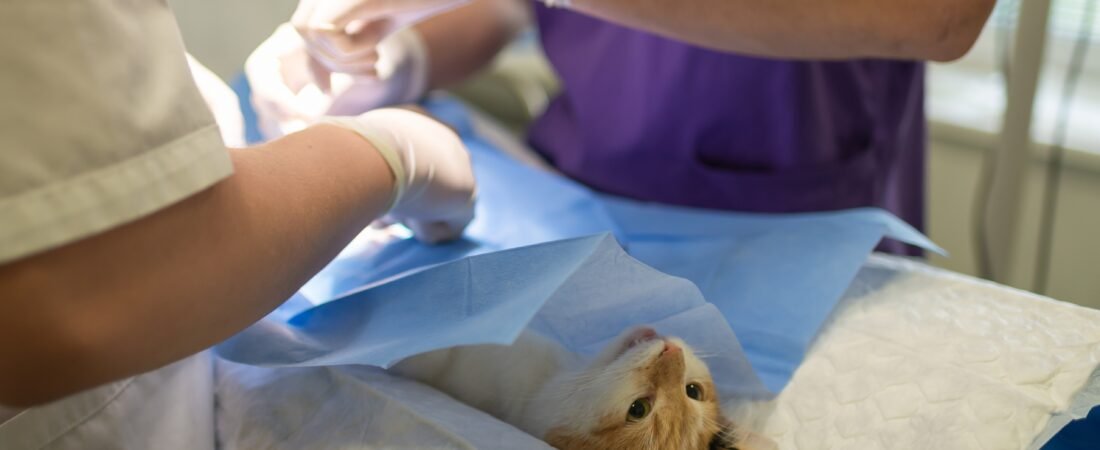

If you share your home with a cat or dog in Multan, sooner or later you will face the question: should I get my pet spayed or neutered? The short answer from veterinary science is yes for most pets, and the timing matters. This guide explains what the surgery involves, what it typically costs in Multan, the best age to do it, the real benefits and risks, and exactly how to prepare and care for your pet afterwards.. If you would like personal advice, you can book a veterinary consultation at any time.
Pet owners in Multan inevitably confront the decision of whether to spay or neuter their dogs or cats. Veterinary consensus strongly supports the procedure for the majority of pets, provided the timing is appropriate. This guide outlines the surgical procedure, typical costs in Multan, optimal age for the operation, associated benefits and risks, and comprehensive pre- and post-operative care instructions.
Understanding Spaying and Neutering:
Spaying, medically known as an ovariohysterectomy or ovariectomy, involves the surgical removal of a female pet’s ovaries and typically the uterus. Neutering, or castration, entails the surgical removal of a male pet’s testicles. Both operations are performed under general anesthesia by a licensed veterinarian, allowing the animal to return home the same day.
These permanent procedures prevent reproduction and eliminate the primary source of sex hormones, thereby altering certain health risks and behaviors. In colloquial terms, “neutering” frequently refers to procedures for both sexes; therefore, if a clinic mentions “cat neutering,” it is advisable to verify the specific procedure included in the quote.
Why Hormonal injections are not Recommended?
Furthermore, it is important to distinguish permanent surgical sterilization from temporary alternatives. Hormone injections or oral medications designed to delay heat cycles are not equivalent to surgery. These treatments introduce distinct health risks, such as uterine infections and mammary gland abnormalities, and are not recommended for long-term management.
Cost of Spaying and Neutering in Multan:
Pricing across veterinary clinics in Multan varies based on factors including the animal’s species, sex, weight, and age, as well as whether pre-surgical bloodwork, analgesics, and post-operative medications are included. The figures provided below serve as general estimates rather than a definitive price schedule. Pet owners should confirm current rates directly with the clinic prior to scheduling an appointment.
Procedure
Typical range (PKR)
Male cat neutering
3,000 – 6,000
Female cat spaying
5,000 – 10,000
Male dog neutering
8,000 – 20,000
Female dog spaying10,000 – 30,000 or more
What affects the price?
Size and weight. Larger dogs need more anaesthetic, more suture material and longer surgery time.
Sex. Spaying is an abdominal operation and costs more than neutering a male.
Heat, pregnancy or infection. Operating during heat, in pregnancy, or on a pet with uterine infection (pyometra) is more complex and more expensive.
Pre-surgical blood tests. Recommended for older pets and those with health concerns.
Pain relief and aftercare. Good clinics include injectable and take-home analgesia, an e-collar or recovery suit, and a check-up visit.
A practical tip: the cheapest quote is not always the best value. Ask what is included: anaesthetic monitoring, pain control, sterile instruments, dissolvable sutures and a follow-up. A low price that excludes pain relief often costs more in complications later. Compared with the cost of raising unplanned litters, treating pyometra or mammary tumours, or managing roaming injuries, planned sterilisation is one of the most economical health decisions you can make.
For More Info or Offer Contact Us
When is the best age to spay or neuter your pet?
The ideal age depends on species, breed and size. These follow AAHA’s spay and neuter timing guidelines and other widely accepted veterinary guidance, and your vet will tailor them to your pet
Cats
Most vets recommend sterilizing kittens around 4 to 6 months old. In fact, many shelters do it even earlier as long as the kitten is healthy and at a safe weight.
• The American Association for the Feline Practitioners supports sterilising kittens by about 5 months, and many shelters safely do it earlier once the kitten is healthy and above a minimum weight.
Keep in mind that female cats can get pregnant as early as 4 to 5 months old. Waiting for “the first heat” is a really common and risky mistake, especially in Multan’s warm climate where cats go into heat for most of the year.
• Because the evidence varies by breed (see the AAHA Guidelines), this should be an individual decision with your vet.If you have an adult cat, they can still be safely sterilized at any age as long as they are healthy.
Small and Medium Dogs (under 20 kg adult weight):
For smaller dogs, the usual recommendation is around 6 months old. If you spay females before their first heat, you dramatically lower their lifetime risk of breast (mammary) tumors.
Large and Giant Breeds:
Research from vet schools shows that early sterilization in some large breeds can actually increase the risk of joint issues like hip dysplasia and cruciate ligament injuries. Because of this, many vets suggest waiting until they are nearly fully grown—usually between 9 and 15 months, depending on the breed.
Since the research varies a lot by breed, you’ll want to chat with your vet to make the right call for your dog.
Older Pets
An older pet isn’t automatically “too old” for surgery. Healthy senior pets can be sterilized safely as long as they have proper pre-anesthesia checks, and the procedure can sometimes be a lifesaver (like when treating a serious uterine infection called pyometra).
As for female dogs in heat, most vets prefer to operate between heat cycles ,about two to three months after a season ends—to cut down on bleeding and make the surgery smoother.
What are the health and behavioral benefits?
Health Benefits
- Prevents pyometra (a dangerous and common uterine infection in unspayed older females that usually requires emergency surgery).
- Greatly lowers the risk of breast cancer, especially the earlier a female is spayed.
- Eliminates the risk of testicular cancer and cuts down on prostate issues in male dogs.
- Reduces certain hormone-driven issues, including some perianal tumors in dogs.
- Saves females from the physical toll of repeated pregnancies, which is especially tough on small or underfed animals.
- Helps stop the spread of disease in cats. Less roaming and fighting means a lower risk of catching FIV or FeLV, plus fewer nasty bite abscesses.
Behavioral Benefits
- Less roaming and trying to escape in search of a mate, which means fewer road accidents, lost pets, and fight injuries.
- Reduced urine spraying and marking—especially in male cats—making indoor life much more pleasant.
- No more heat-cycle behaviors, like the loud, persistent crying in female cats or the bleeding and restlessness in female dogs.
- Calmer interactions with other animals. While it won’t fix fear-based issues or poor training, fixing your pet can cut down on mounting and hormone-driven aggression.
Just keep a realistic expectation: surgery only changes hormone-driven behaviors, not your pet’s basic personality or learned habits. Good training and regular exercise are still a must.
The Community Benefit
Let’s face it, Pakistan’s stray population is a huge welfare and public health issue, including the risk of rabies. Every time someone gets their pet sterilized, it directly helps reduce the number of unwanted puppies and kittens ending up abandoned on the streets as ASPCA’s spay/neuter overview explains
Wondering if the surgery is actually safe and what kind of risks are involved? Spaying and neutering are some of the most routine procedures vets do every day, so for healthy pets, the chances of anything serious happening are really low. Still, any surgery and anesthesia come with some level of risk, so it helps to have all the facts to make the best decision.
Possible risks and side effects
- Reactions to anesthesia: These are rare in healthy pets, and vets keep the risk as low as possible by doing a pre-exam, using IV fluids, and keeping a close eye on your pet the whole time.
Bleeding or swelling at the incision: This is usually pretty minor.
Wound infection or the incision opening up: This typically happens if pets lick or chew at the spot, or if they’re just way too active too soon.
Seromas: These are soft, fluid-filled swellings under the skin that usually clear up on their own.
Weight gain: Pets that are fixed actually need fewer calories, so you’ll just need to tweak how much you feed them.
Urinary incontinence: This pops up in a small number of spayed female dogs, but it’s usually pretty easy to manage.
Breed-specific issues: For example, certain large dogs might develop joint problems if they’re sterilized when they’re very young.
How to keep risks low?
- Choose a clinic with a licensed vet, a sterile surgical suite, proper monitoring equipment for anesthesia, and a solid pain management plan.
- Be completely open about your pet’s medical background, including any past illnesses, current meds, vaccines, and previous issues with anesthesia.
- Follow the fasting and aftercare instructions exactly.
- Some pets need extra care: Flat-faced breeds like Persians, Pugs, and Bulldogs, along with overweight pets, older animals, and those with heart, kidney, or liver disease, need a tailored plan that usually includes pre-surgery blood work.
- How to get your pet ready for surgery?Good prep makes the big day go a lot smoother and safer.
- Schedule a pre-surgery chat. The vet will do a quick exam, weigh your pet, listen to their heart, check their age and vaccine status, and answer any questions you have.
- Make sure vaccines and parasite control are up to date. Your pet needs to be feeling 100% on surgery day. Tell the vet right away if your pet has had diarrhea, vomiting, a cough, sneezing, or a fever lately—if they’re sick, the surgery will usually need to be pushed back.
- Follow the fasting rules carefully. Usually, adult pets fast for about 8 to 12 hours before anesthesia, while puppies and kittens have a shorter window. Water is usually okay until morning, but just go by your specific vet’s instructions since clinics can vary.
- Hold off on giving any meds or supplements unless your vet says it’s okay.
- Let the clinic know if your female pet is in heat, pregnant, or recently had a litter.
- Set up a cozy recovery spot at home. Find a quiet, clean, warm area away from stairs, other pets, and kids, and stock it with fresh bedding and easy access to water.
- Bring the essentials: a secure carrier for cats and small dogs, a leash and collar for dogs, and a phone number where the clinic can easily reach you.
How long does recovery take, and what kind of aftercare is involved?
Most pets will be awake and alert within just a few hours, but their skin takes about 10 to 14 days to fully heal, and they keep healing on the inside a little longer after that. Here is what the timeline actually looks like:
First 24 hours
Expect your pet to be pretty sleepy, a bit wobbly on their feet, and not super interested in food.
Once they are fully awake, offer them a small, light meal and some fresh water.
Keep them inside, warm, and nice and quiet. Make sure they aren’t jumping up on the couch or tackling the stairs.
Days 2 to 7
Their appetite and energy levels should start getting back to normal.
Make sure you give all their prescribed painkillers and antibiotics exactly as the vet told you. Never give human pain meds like paracetamol or ibuprofen—they are toxic to cats and dogs.
Keep them resting: dogs only get short, leashed walks just to go to the bathroom, with zero running, playing, or swimming.
No licking allowed! They need to wear an e-collar (cone) or a recovery suit 24/7. Even just a couple of minutes of licking can pop those stitches right open.
Days 7 to 14
Check the incision twice a day. A little bit of light pinkness is totally normal. Just keep it clean and dry, and don’t give them a bath or put any creams on it unless your vet specifically said to.
Go to your follow-up appointment so the vet can check the wound and take out any stitches if needed.
Most pets get the green light to go back to their regular routine after about two weeks, once the vet confirms they’re all healed up.
Call your vet right away if you notice:
The wound is bleeding nonstop, oozing discharge or pus, or smelling bad
The swelling is getting worse, or the incision looks like it’s opening up
They are throwing up repeatedly, or still won’t eat or drink after 24 to 48 hours
They seem super sluggish, have pale gums, are struggling to breathe, or collapse
They are having trouble peeing or pooping
Long-term care: Since a pet’s metabolism slows down after getting fixed, you’ll want to gradually switch them to a balanced food made for sterilized pets, measure out their meals, and keep up with regular exercise to keep them from getting chunky.
Frequently asked questions
Will spaying or neutering change my pet’s personality?
Nope. They’ll still be just as playful and loving as before. The surgery mostly just cuts down on hormone-driven habits like wandering off, marking territory, and howling when they’re in heat.
Should my female pet have one litter first?
No, there’s no health benefit to letting them have a litter first. In fact, getting them spayed early gives them the best protection against mammary tumors.
Can I get my cat or dog spayed while she’s pregnant or in heat?
Usually yes, but it makes the surgery a bit more complicated, means more bleeding, and can cost more. Definitely chat with your vet about it.
Will my pet get fat after the surgery?
Only if you don’t adjust their food. Just cut their portions back a bit, pick the right food, and keep them moving.
Does the surgery hurt?
Your pet will be completely knocked out during the operation and gets pain medication afterward. It’s totally normal for them to feel a little uncomfortable for a few days, but the meds prescribed by the vet will take care of that.
Is it safe for older pets?
Most of the time, yes—as long as they pass a health check and maybe get some blood work done first. Your vet will look at your pet’s specific situation to figure out the risk.
Can male pets still try to mount things or mark their territory after being fixed?
Some do, especially if those habits became a routine before the surgery. Training usually takes care of it over time.
Can I walk my dog or let my cat outside right away?
No way. You need to keep their activity restricted for about 10 to 14 days to keep that wound safe.
Will getting fixed protect my pet from rabies?
No, it doesn’t replace shots. You still need to make sure your pet’s rabies and core vaccines are up to date.
Book A Veterinary Consultation at Passion Pet Hospital, Bosan Road, Multan
Every pet is unique, and the right timing, anesthesia plan, and aftercare depend entirely on their breed, age, weight, and overall health. Drop by Passion Pet Hospital on Bosan Road in Multan, and our veterinary team can check out your cat or dog, let you know the best age for the procedure, and give you a clear cost estimate.
Disclaimer: This article is for general information and does not replace a veterinary examination. Costs are indicative estimates and may change; always confirm with your veterinarian.
